
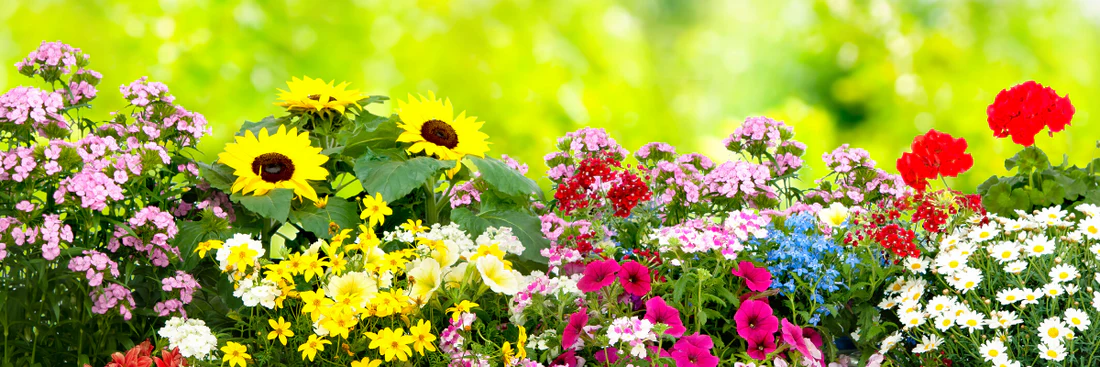
Summer is the perfect time to enhance the beauty of your home’s exterior and what better way to do that than with vibrant, colorful flowers? Among the best options for summer landscaping are annuals. This guide will help you understand the differences between annuals and perennials, show you where to incorporate annuals in your landscaping and provide tips on how to install and care for them.
What are Annuals and Why Should You Choose Them?
Annuals are plants that complete their life cycle in one growing season. Unlike perennials, which come back year after year, summer annuals must be replanted each spring. While this may seem like more work, the payoff is worth it. Annuals often have more vibrant colors and striking textures than perennials, making them perfect for creating a bold statement in your landscaping.

Key Differences Between Annuals and Perennials
- Lifespan: Summer annuals last from May to September and bloom continuously throughout this period. Perennials return every year but usually have shorter bloom times.
- Maintenance: Perennials need to be cut back annually while annuals need to be replanted each year.
- Placement: Annuals are ideal for front-of-the-bed placements and pots due to their eye-catching appearance. Perennials serve as anchors in your landscape beds, providing structure and filling in spaces behind the annuals.
Common Misconceptions
Many people assume that the annual replanting of annuals is a disadvantage. However, the variety and intensity of color they bring to your garden can make a significant impact. Think of them as the stars of your summer show, bringing life and vibrancy to your outdoor space.
Where to Incorporate Annuals in Your Landscaping
Annuals are typically shorter, compact plants. Keep this is mind when adding them to your landscaping.
Common places for annuals
- Front of Landscape Beds: Add annuals where you need a splash of color.
- Pots and Planters: Place these by doors or in hardscape areas to soften the look and create a welcoming atmosphere.
- High Traffic Areas: Use them in spots where they will be seen often, such as along walkways or near entryways.
How to Install and Care for Annuals
Proper installation and care are crucial for getting the most out of your summer annuals. Here are some tips to ensure success:

Watering
Annuals require a lot of water, especially during hot summer months. It’s difficult to overwater them, so make sure they are consistently moist.
Sun and Shade Requirements
Pay attention to the tags on your plants, which will indicate their sun and shade requirements:
- Part Shade: Plants that need 4-6 hours of sun per day, typically getting morning sun and afternoon shade
- Full Sun: Plants that need more than 6 hours of sun per day, thriving in complete sun exposure
Placing a shade-loving plant in full sun can cause the leaves to crisp and damage the plant, so be mindful of their needs.
Timing and Planting
Nurseries begin stocking summer annuals in early May. The sooner you plant them, the quicker they will establish and the better they will look throughout the season. At the end of the season, around September, the annuals will die off and need to be removed and replaced will Fall annuals.
Conclusion
Incorporating summer annuals into your landscaping is a fantastic way to boost your curb appeal. With their vibrant colors and diverse textures, annuals can transform your garden into a stunning visual display. By understanding their needs and proper care techniques, you can enjoy a beautiful, colorful garden all summer long. Whether you’re placing them in pots, planters, or garden beds, these tips will help you create a striking and inviting outdoor space.