
As the winter frost melts away and the first signs of spring emerge, it’s time to assess the state of your lawn and prepare it for the vibrant season ahead. Unfortunately, the problems of last fall will not magically disappear with the snow. Fungus, snow mold, and rodents may have left their mark, and weeds lurking beneath the surface are poised to make a comeback. But with the right plan and proactive measures, you can revitalize your lawn to its former flourishing and beyond.
Assessing the Damage
Before going any further, it is important to take a moment to reflect on the previous year. Did any issues plague your lawn? Was it overrun by weeds, or plagued by brown patches? Understanding the challenges you faced last year will help guide your spring lawn care strategy.
Come Up with a Plan
It’s essential to prioritize and strategize your lawn care efforts. Simply wanting to have a lush, healthy lawn isn’t enough; it’s essential to define specific goals like weed control, lush greenery, or filling in bare patches. With a clear vision in mind, you can tailor your approach to achieve the desired results.
Three Common Problems and Solutions
1. Problem: Excessive Weeds
- Potential Cause: Improper fertilization techniques
- Solution: Apply pre-emergent fertilizer at the right time—when the soil temperature reaches 50-60 degrees Fahrenheit, which typically occurs in late March or early April. This prevents weed seeds from germinating, giving your grass a head start in its fight against weeds. If weed patches emerge at any point throughout the year, they can be spot treated with herbicides.
2. Problem: Uneven or Bumpy Lawn
- Potential Cause: Ground settling or movement
- Solution: Level the lawn by topdressing it with compost. This evens out the surface, providing a smooth canvas for healthy grass growth.
3. Problem: Thin, Sparse, or Patchy Lawn
- Potential Cause: Animal waste, neglect, improper fertilization techniques, improper mowing techniques, dry conditions
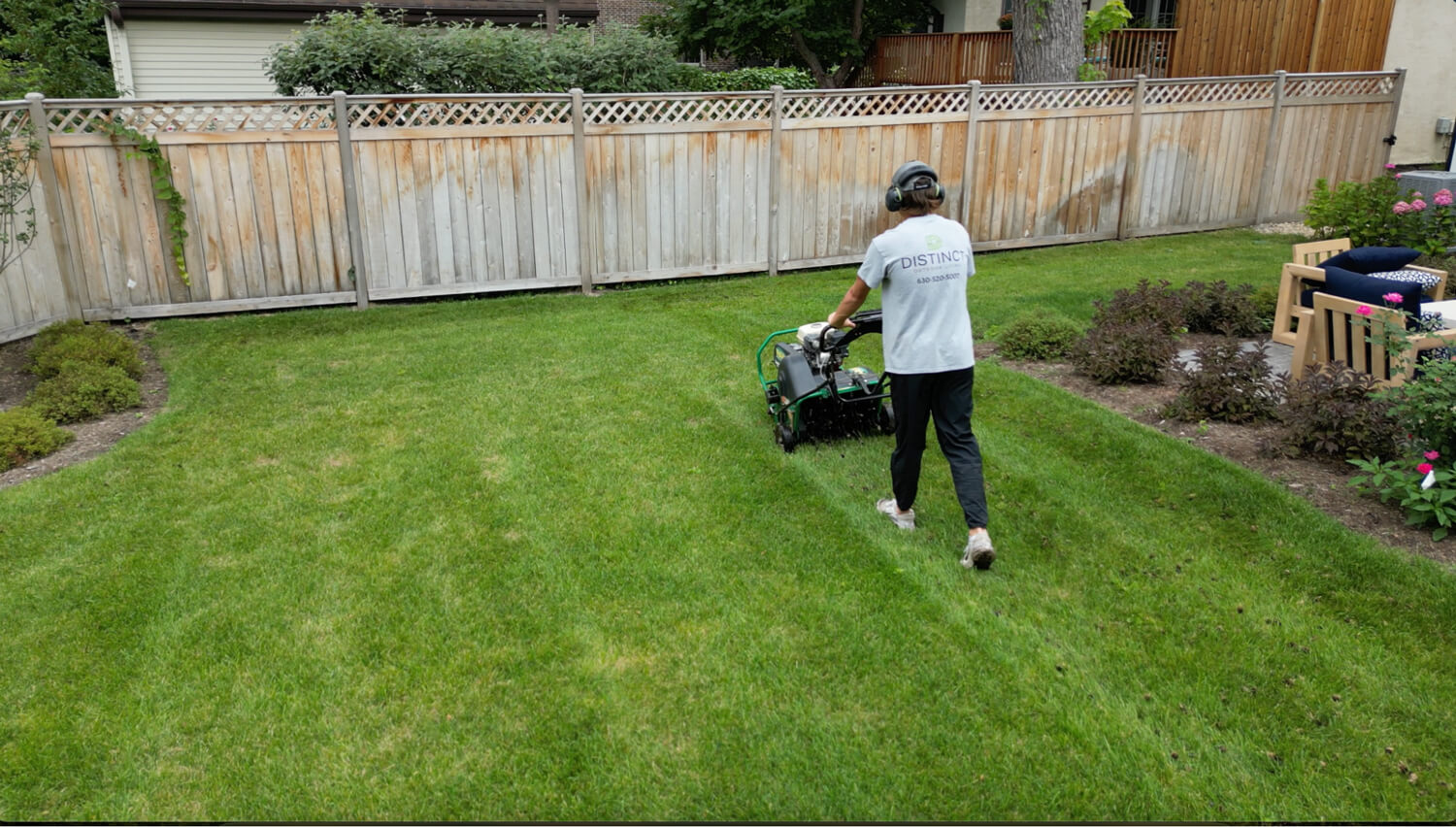
- Solution: Consider a core aeration to improve soil health and stimulate grass growth. Kentucky bluegrass, prevalent in Chicagoland, can gradually fill in bare spots if properly cared for. Additionally, seeding bare patches and watering appropriately can encourage new growth. It’s worth noting that large bare spots are best addressed in the fall to avoid interfering with pre-emergent applications. Adjust your fertilization program based on past issues, and consult with lawn care professionals if needed.
Preparing your lawn for spring requires a concentrated approach, one that is specifically tailored to address your unique challenges and goals. At DOL, we offer a comprehensive, custom program designed to meet your lawn care needs. From weed control to general lawn maintenance, we’re here to help you achieve a vibrant and healthy lawn. Contact us today for a free consultation and let’s get started on revitalizing your outdoor space for the season ahead!